Logistics warehouse: what it is and how it works for ecommerce
What a logistics warehouse is, its zones, how it's managed and how location affects delivery times, plus what to check before using a third party.
A logistics warehouse isn't just a place where goods are stored: it's a place where goods arrive, get checked, are given a location, get picked and packed, and leave for the customer within a committed deadline. If you run an online shop, the difference between having boxes in a unit and having a proper logistics warehouse is the difference between "I have stock" and "I know exactly how many units I have, where they are and when they're going out."
Here's what a logistics warehouse is, what zones it has, what systems make it work, why its location changes your delivery times, and what to check if you're going to use a third party instead of setting up your own.
What a logistics warehouse is
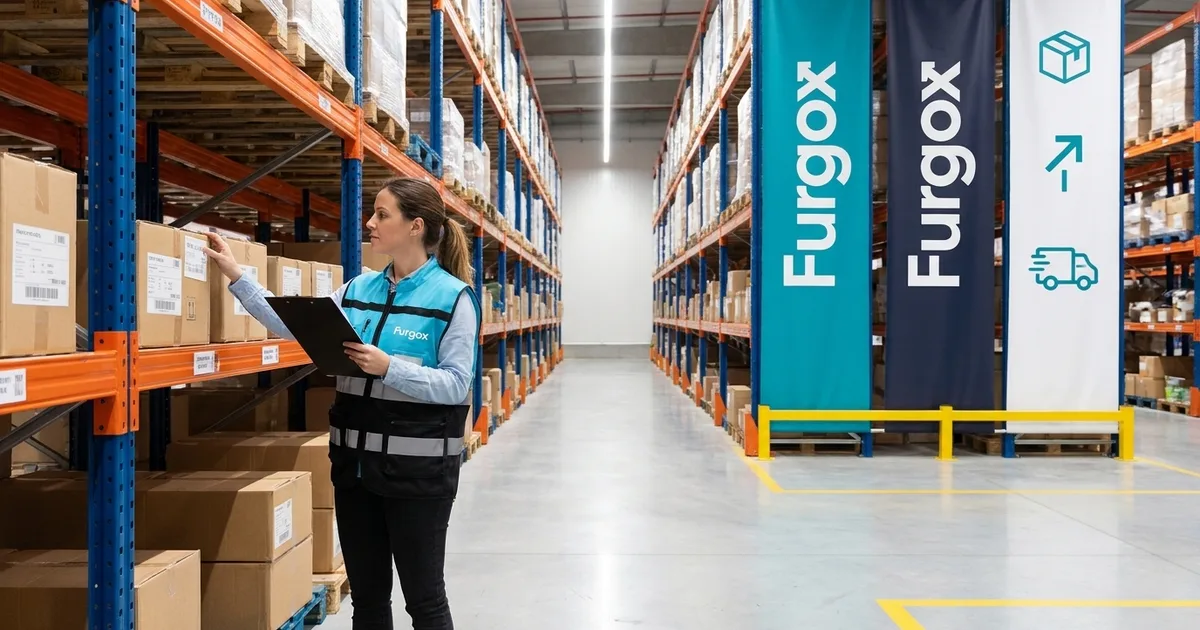
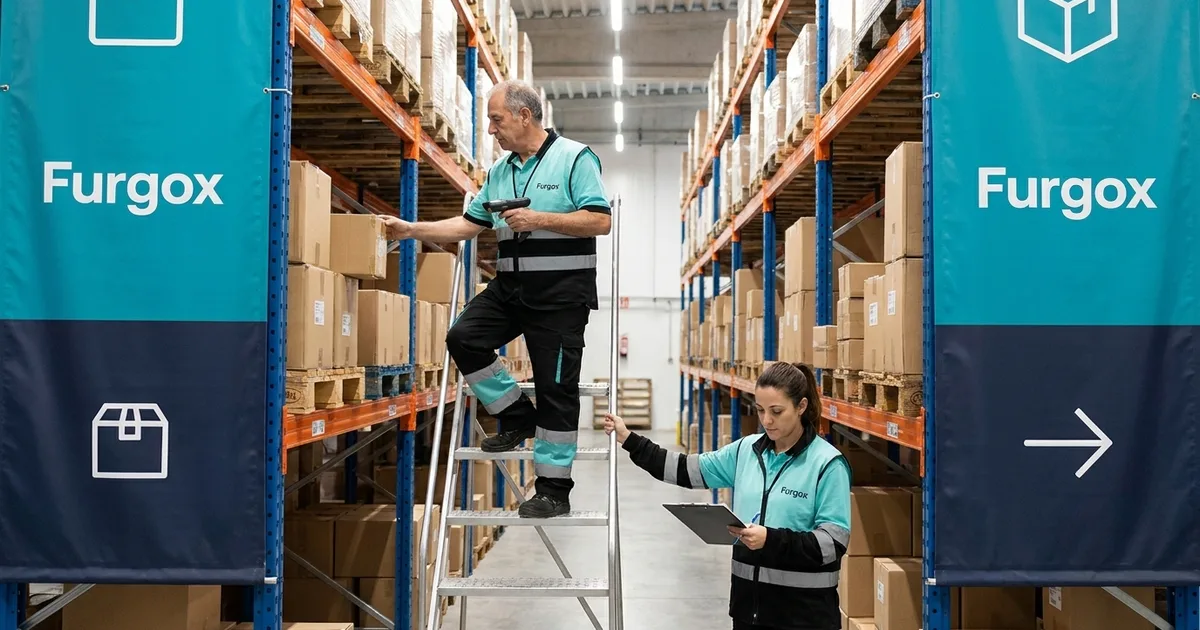
A logistics warehouse is a facility organised to receive, store, control, pick and dispatch goods through a defined, measurable process. Unlike a simple storage space, every product has a recorded location, every movement is logged in a system, and the goal isn't to store things but to get stock flowing to the customer quickly and without mistakes.
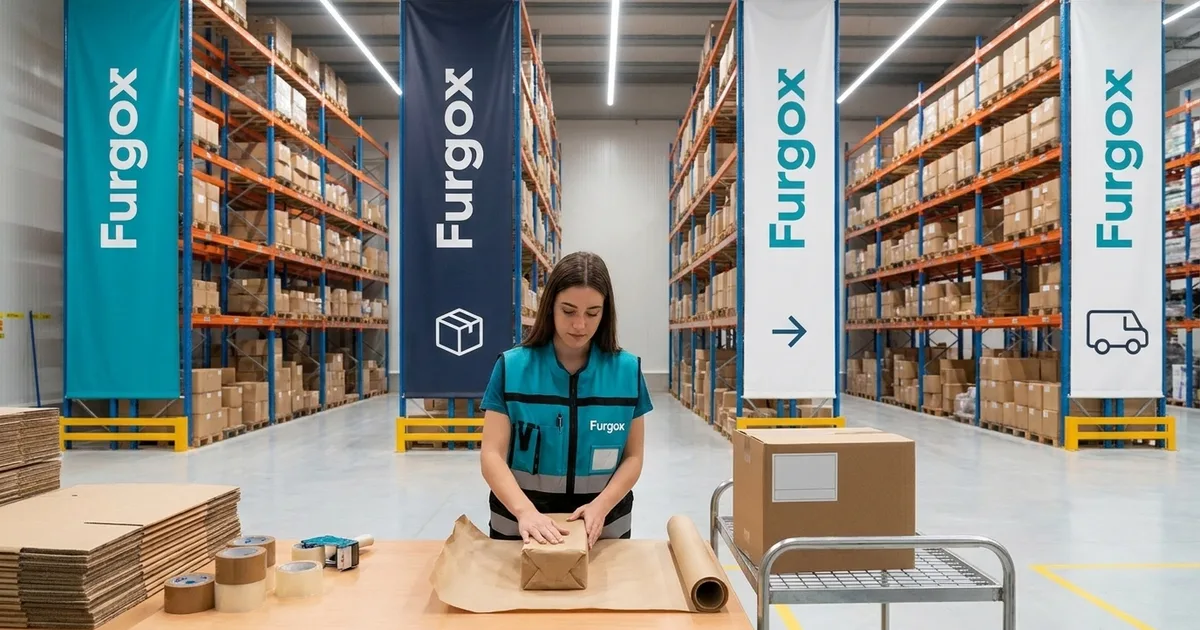
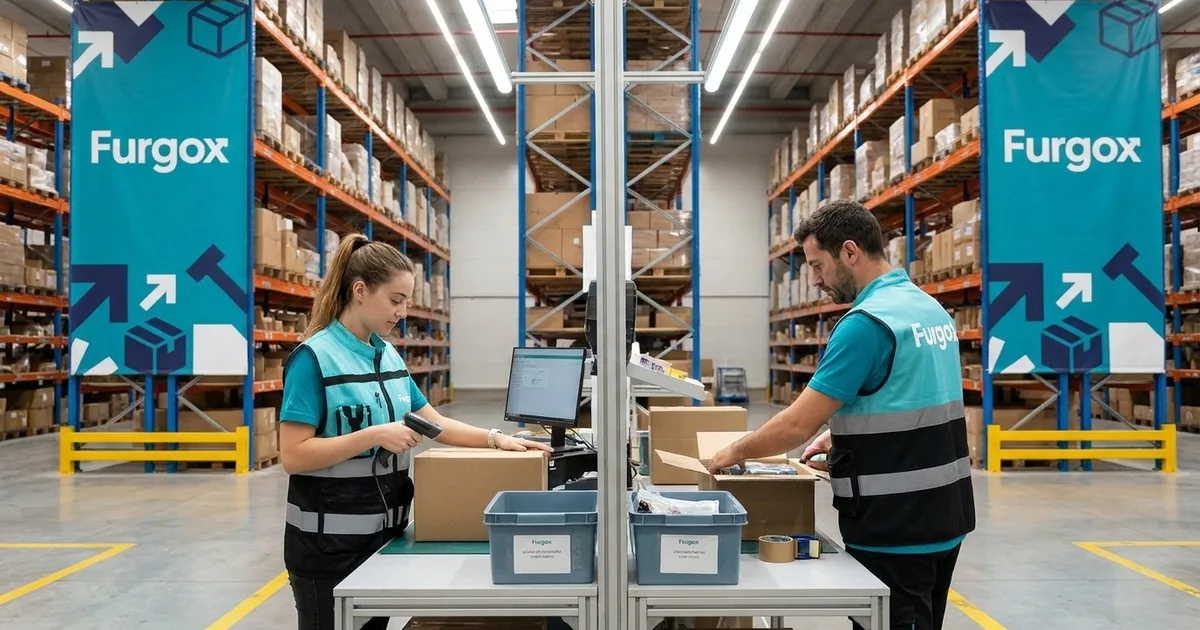
For ecommerce that translates into something very concrete: the order placed on your store goes straight to the warehouse, someone picks it from a specific shelf, packs it, sticks on the courier label, and it ships out that same day or the next. Everything else (shelving, scanners, software) exists so that this happens hundreds of times a day without a hitch.
Definition of a warehouse and what "logistics and warehousing" means
A warehouse, in its simplest definition, is a place where goods are kept until they're used or sold. Logistics is the set of processes that move those goods from where they are to where they need to be, at the right time and in the right condition.
When people talk about "logistics and warehousing" they're combining both things: the warehouse is the fixed point and logistics is the movement. A warehouse without logistics is just a storeroom; logistics without a well-organised warehouse is improvising every day.
Logistics warehouse versus a storeroom or storage unit
Many online shops start out with a storeroom, a small unit or a rented space. It works while order volumes are low and whoever's picking knows every product by heart. The problem shows up when you grow and that memory stops being enough.