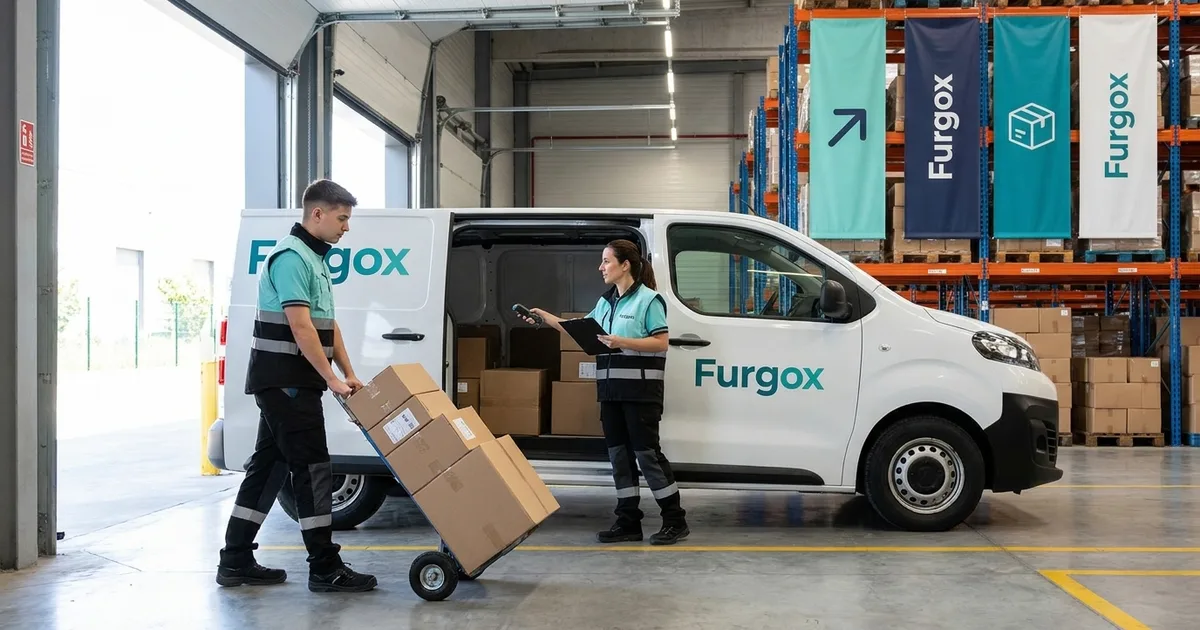
If you're wondering how to choose a 3PL logistics operator, don't start with the price per order. Start with how they'll handle your real orders. Five things decide whether the relationship works: that it connects to your store without exporting files, that the stock shown on the dashboard matches what's on the shelf, that it has a clear cut-off time and sticks to it, that it handles returns well, and that it gives you a price you can calculate before signing.
The most reliable method is simple. Take ten real orders from your store, including the awkward ones, and ask each operator to explain what happens to each one from the moment it comes in until it reaches the customer or comes back. With those answers and a cost simulation using your own numbers, you'll learn more than from any sales pitch.
How to choose a 3PL logistics operator: the short answer
To choose a 3PL logistics operator, gather your order data, ask three operators for itemised quotes based on the same figures, check integration, stock control, cut-off time, shipping and returns with real orders, work out the total cost per order for a normal month and a peak month, and start with no tie-in or a limited pilot trial.
The rest of this guide goes through each step in detail, with the specific questions worth asking and the failures you see every day in a warehouse.