A customer doesn't ask where their order is because they fancy looking at a map. They ask because they've lost confidence. Order tracking tools exist so that question never gets asked: they show exactly where each order stands, notify the buyer, and raise a flag the moment something goes wrong, before a support ticket ever lands.
The key isn't having more tracking apps, but connecting your store, warehouse, couriers and customer service so the order never loses traceability at any stage. If that flow works, your team stops chasing shipments and focuses only on genuine exceptions.
What order tracking tools actually are
These are systems that record the status of each order from the moment it enters the store until it's delivered or returned. They bring together data from the ecommerce platform, the warehouse and the couriers into a single view, translate each carrier's events into understandable statuses, and alert both customer and team when there are delays or issues.
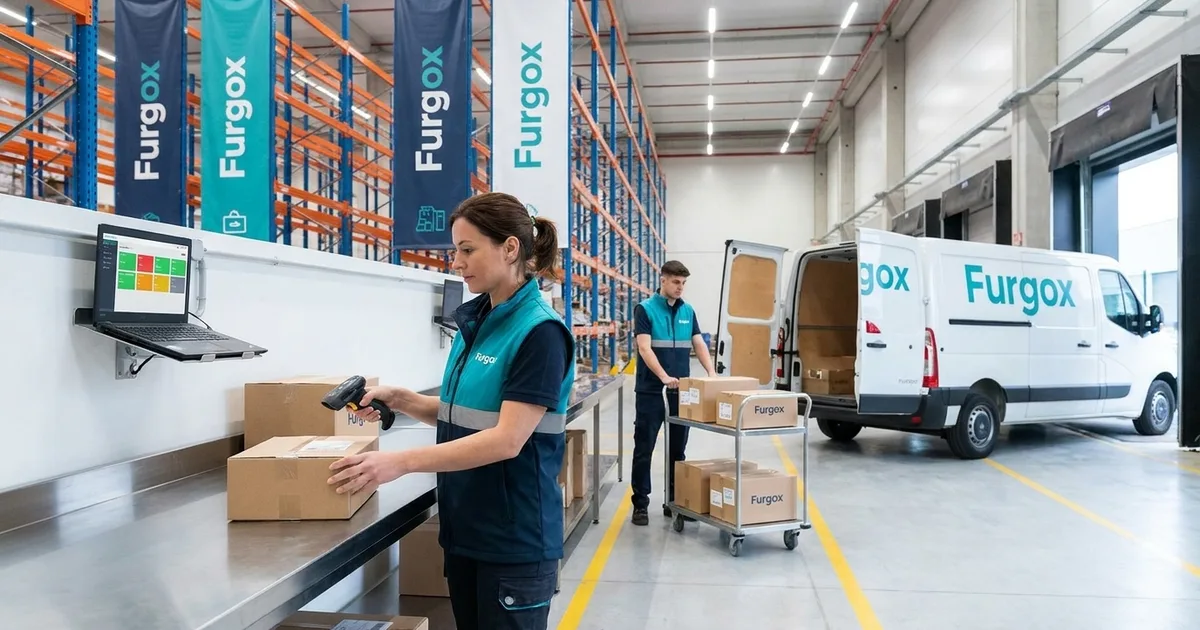
In practice, it's not a single tool but several layers: the online store, shipping software or a TMS, a warehouse system (WMS) and, sometimes, a post-purchase communication platform. What matters is that they talk to each other.
Tracking starts before the parcel ever leaves
Many stores think of tracking as what happens after the label is printed: a code gets shared and the courier keeps updating events. That's only the final stretch. If stock isn't synced, if a SKU gets picked wrong, or if the order gets stuck before dispatch, no tracking portal will fix that.
Useful visibility covers four moments, each answering a different question:
- Order intake: has it been received with all its data?
- Inventory check: is there real stock to fulfil it?
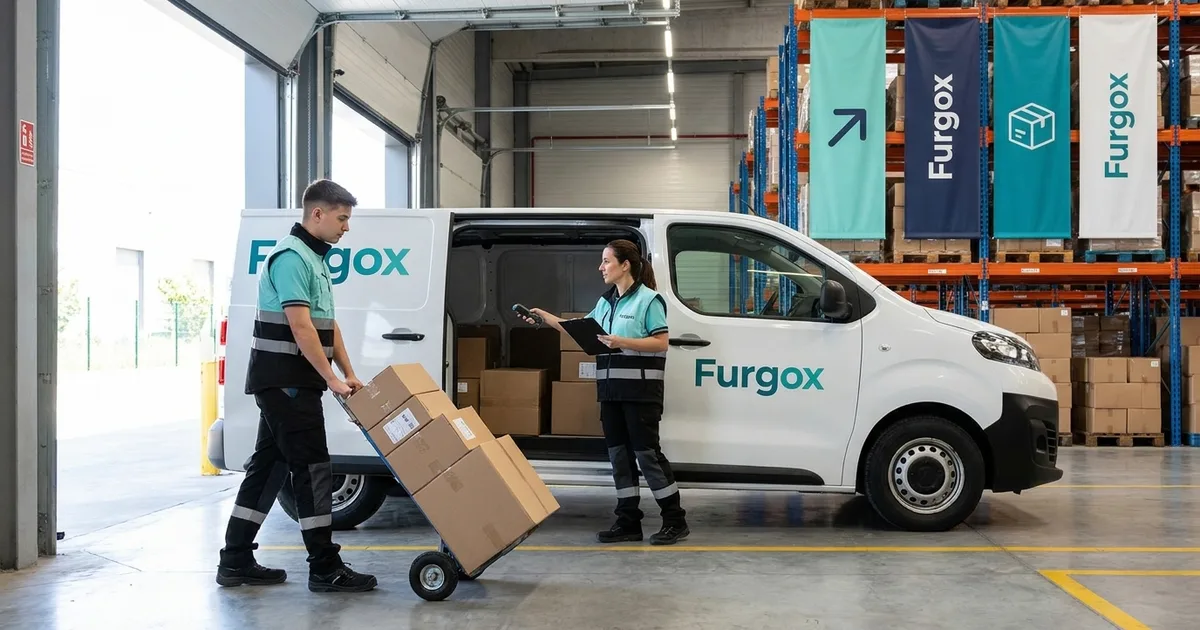
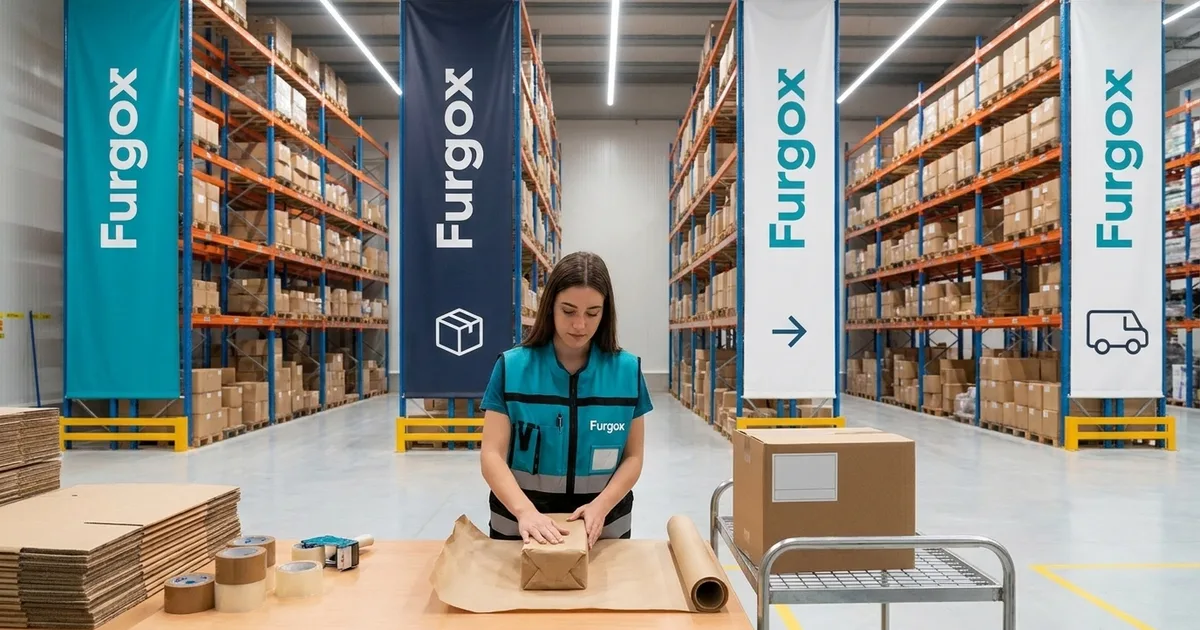
- Picking and dispatch: has it been packed correctly and handed to the courier?
- Last mile: where is it and when will it arrive?
With 200 orders a month, a simple integration between the store and a shipping tool is usually enough. At 1,500, the challenge changes: you need to spot bottlenecks by SKU, channel, area or carrier without downloading spreadsheets every morning. If you sell across several channels, the starting point is syncing stock across channels to avoid overselling, because an order with no real stock behind it is a tracking issue that just hasn't exploded yet.