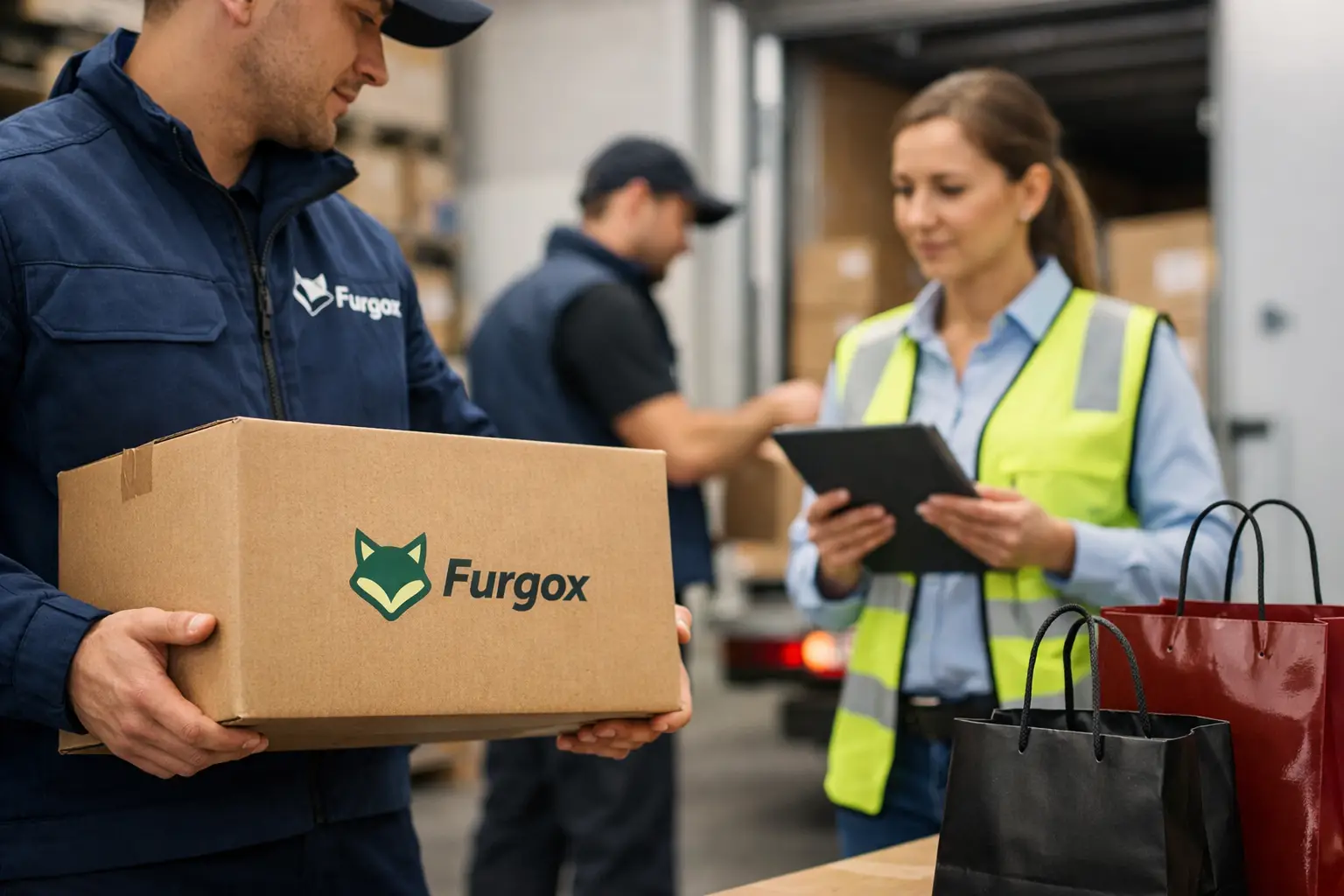
A poorly prepared order doesn't end when the customer receives the wrong size or a damaged product. It generates a return, consumes support time, ties up inventory and weakens trust in your brand. That's why pick pack ship isn't a warehouse task: it's the process that turns an online sale into a repeatable, measurable and scalable delivery experience.
When you manage 200 orders a month, an error can seem occasional. When the campaign works and hundreds of orders come in within hours, that same manual process becomes a bottleneck. The difference isn't just having more space or more people. It's about connecting inventory, preparation, packaging and transport under a single operation.
What pick pack ship means in ecommerce
Pick pack ship describes the three physical phases of order preparation. First, the correct SKUs are located and picked. Then they're validated, protected and packaged according to brand rules. Finally, the carrier is assigned, the label is printed and the order is dispatched with full traceability.
It seems linear, but each stage depends on correct data. If available stock doesn't match physical stock, picking starts with a problem. If the order doesn't incorporate packaging rules, unboxing loses consistency. If a courier is chosen without considering destination, weight or required service, shipping costs can grow without improving delivery.
An efficient operation treats these phases as a connected flow, not as three isolated tasks. The order enters from your platform, the system reserves inventory, the team prepares with clear instructions, validates each unit and activates the appropriate shipping. This reduces dependence on spreadsheets, internal messages and improvised decisions.
The hidden cost of preparing orders internally
Operating your own logistics can work while volume is stable and your catalog is simple. The problem appears when sales grow faster than your operational capacity. Each new peak requires more space, more temporary hiring, more training and more control over inventory and carriers.
The cost isn't limited to warehouse rent. It also includes management time, disconnected software, packaging materials, incidents, retained orders and hours spent reconciling stock differences. If your ecommerce team spends the morning resolving shortages, printing labels or chasing pickups, they're not working on acquisition, conversion and retention.
Outsourcing isn't always the answer. A brand with highly personalized products, low turnover or extremely specific handling requirements may need an in-house or hybrid operation. But if your priority is to grow without duplicating infrastructure with each campaign, a 3PL model provides operational capacity without burdening your team with daily warehouse management.
Pick pack ship: the process that prevents errors
Delivery quality is built before the box closes. A professional workflow needs concrete controls at each stage.
1. Inventory reception and validation
Everything starts when merchandise arrives at the warehouse. Units are received, counted, inspected and assigned to identified locations. This initial validation prevents a supplier error from becoming a stock promise that your store can't fulfill.
SKU-level traceability lets you know what references you have, where they are and how many remain available. For brands with variants, bundles or high-rotation products, this level of control makes the difference between selling with confidence and canceling orders after payment.
2. Picking with clear routes and rules
In the picking phase, the operator collects products for each order. When volume increases, preparing one order at a time becomes inefficient. Wave picking groups compatible orders to reduce travel and speed up preparation without losing accuracy.
Technology should guide your team to the correct location and record every movement. It should also handle exceptions: out-of-stock products, priority orders, kits, promotional gifts or shipping restrictions. It's not about moving faster. It's about moving right the first time.
3. Packing that protects both product and brand
Packaging isn't just putting items in a box. It's choosing the right format, protecting contents, controlling weight and applying your brand's visual rules. An oversized box increases volumetric costs. Insufficient protection increases damage risk. A generic package can waste a key customer loyalty moment.
Custom packaging makes sense when it reinforces the shopping experience without adding unnecessary complexity. It can include boxes, envelopes, tissue paper, cards or promotional inserts. The key is that these instructions are built into the order, not dependent on someone remembering them during a sales spike.
Double validation before closure confirms that SKUs, quantities and extras match the order. It's a small control with direct impact on returns, support tickets and reviews.
4. Ship with the right courier for each order
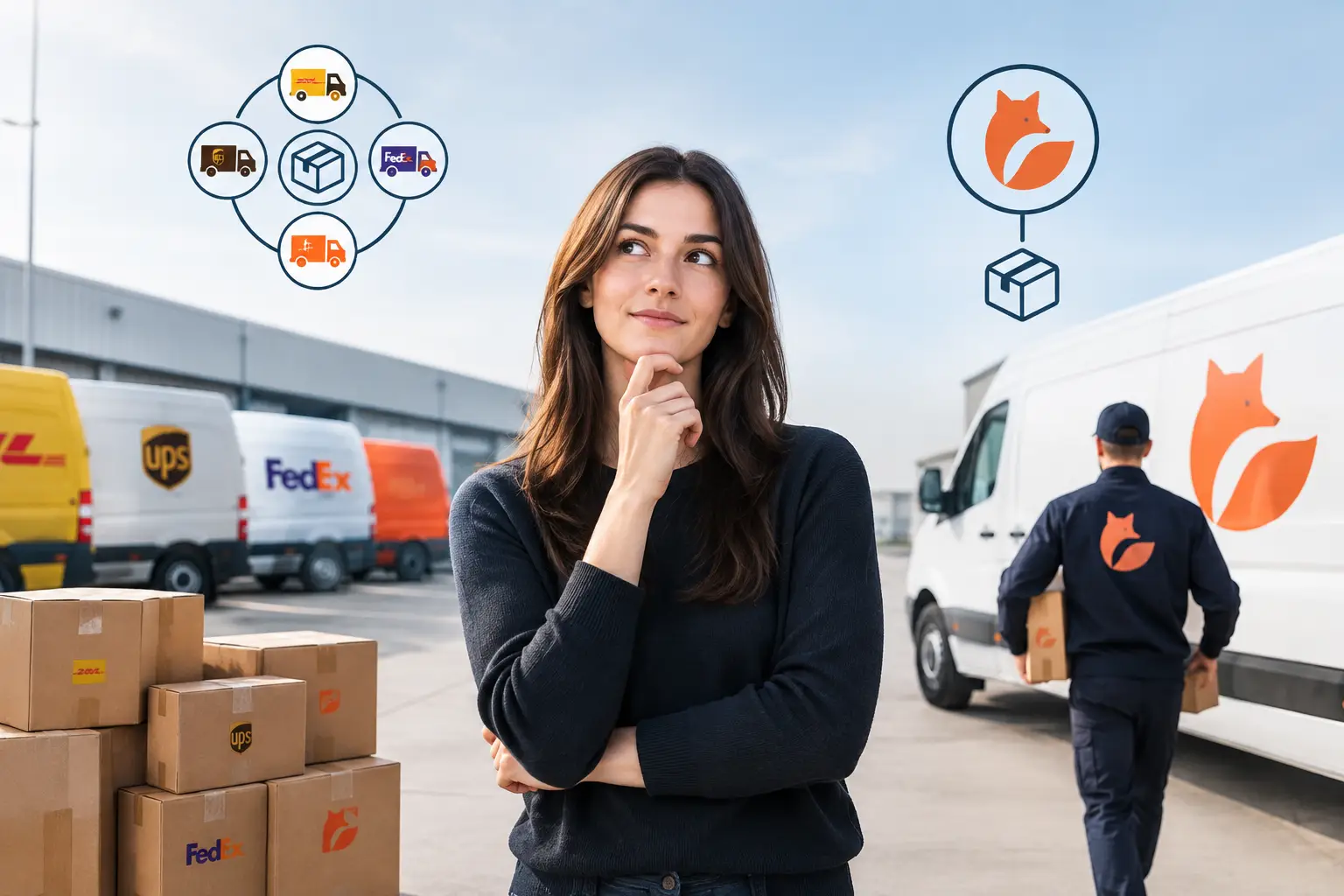
The shipping stage shouldn't depend on a single carrier out of habit. An urgent order to a capital, a heavy package for a remote area and an international shipment have different needs. Automated courier selection based on destination, weight, dimensions and delivery conditions lets you balance speed, coverage and cost.
The label is generated, tracking returns to your store and the customer gets visibility on their order status. If an incident occurs, traceability helps identify where it happened and act before the customer has to file a complaint.